Every year, hundreds of workers suffer severe injuries—or worse—because a machine started unexpectedly during maintenance. The root cause often traces back to one failure: an incomplete or absent lockout tagout (LOTO) procedure. Despite being a decades-old safety standard, LOTO remains one of the most violated OSHA regulations, not because it’s ineffective, but because it’s inconsistently applied.
Lockout tagout safety isn’t just paperwork. It’s a physical, procedural, and cultural commitment to stopping hazardous energy before work begins. Whether it’s an electrical circuit, hydraulic line, or pressurized valve, uncontrolled energy can kill. This article breaks down how effective LOTO works in real-world environments, where shortcuts are tempting but consequences are irreversible.
What Is Lockout Tagout and Why It Matters
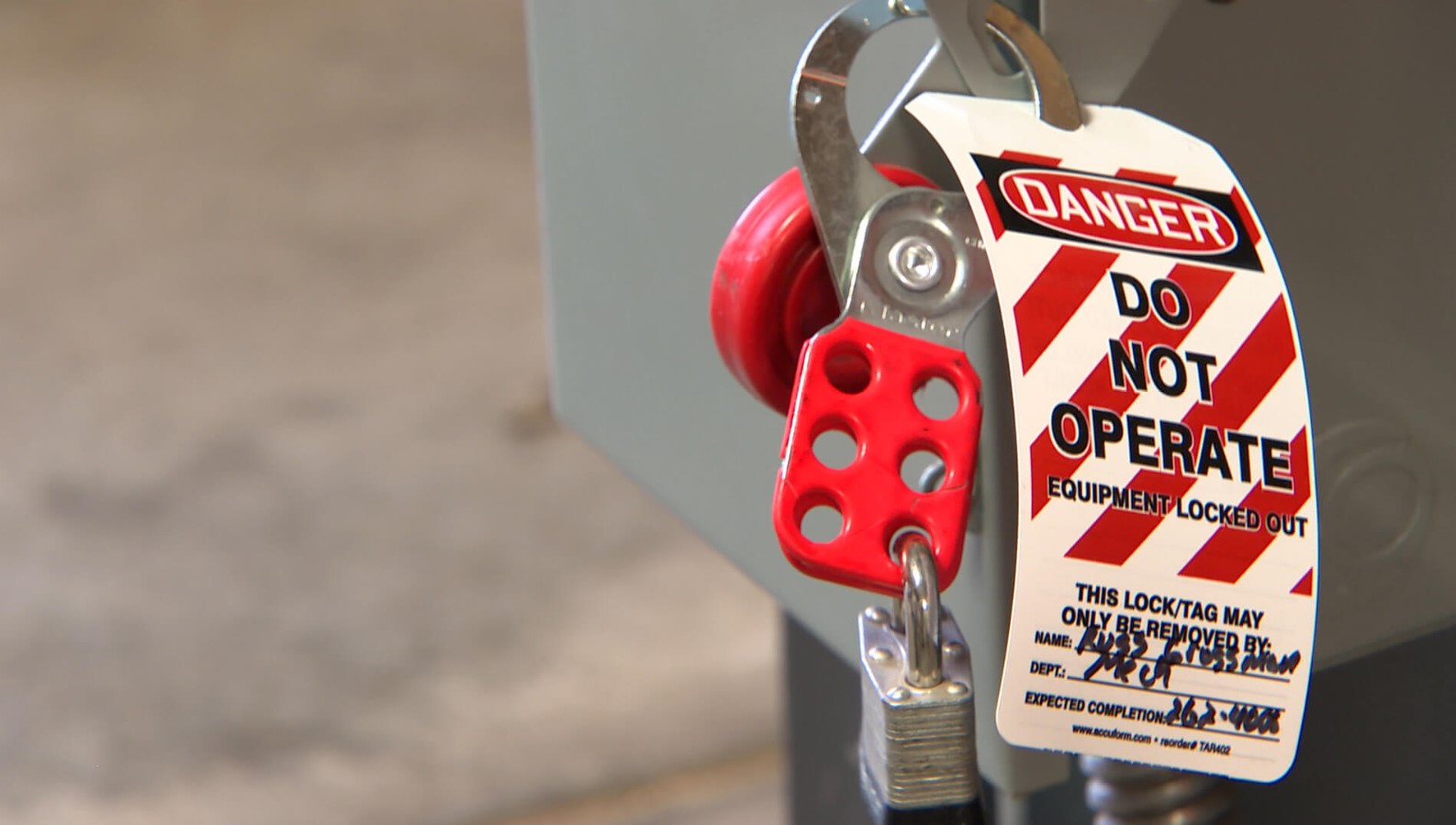
Lockout tagout refers to a safety procedure used to ensure that dangerous machines and energy sources are properly shut off and cannot be restarted until maintenance or servicing is complete. "Lockout" means placing a physical lock on an energy-isolating device, like a circuit breaker or valve. "Tagout" involves attaching a warning tag explaining why the lock is in place and who applied it.
The distinction matters because tagging alone doesn’t prevent startup—it only warns. True LOTO combines both: a lock physically prevents activation, while a tag communicates intent.
This process protects against six primary energy types: - Electrical - Mechanical - Hydraulic - Pneumatic - Chemical - Thermal
OSHA standard 29 CFR 1910.147 outlines the requirements for controlling hazardous energy. Non-compliance isn’t just risky—it’s expensive. Violations routinely rank in OSHA’s top 10 citations, with penalties exceeding $15,000 per incident.
The 6-Step LOTO Procedure That Actually Works
Many companies have LOTO policies, but few enforce them with consistency. The gap between policy and practice is where accidents happen. A reliable LOTO process follows six clear, sequential steps—all non-negotiable.
1. Preparation Before any work begins, the authorized employee must identify all energy sources powering the equipment. This includes not just primary power (e.g., electrical), but secondary sources like stored hydraulic pressure or spring tension. A site-specific energy control plan is essential here.
Example: Servicing a conveyor belt may require isolating not only the main motor but also gravity-fed rollers and tensioning mechanisms.
2. Notification Alert all affected employees that maintenance is about to begin and that equipment will be shut down. This step prevents panic or confusion when systems go offline.
3. Shutdown Use normal stopping procedures—never emergency stops—to power down the machine. Confirm all moving parts have come to a complete rest.
Common mistake: Workers assume "off" means "safe." But residual energy can remain in capacitors, flywheels, or elevated components.
4. Isolation Physically disconnect energy sources. Lock out circuit breakers, close and lock valves, block moving parts, or bleed lines. Use only approved, keyed locks—never padlocks shared among teams.
Each lock should be personal and identifiable. A worker should only be able to remove their own lock.
5. Application of Locks and Tags Attach a durable tag to each lockout point. The tag must include: - Name of the authorized employee - Date and time of lockout - Reason for shutdown - Expected duration
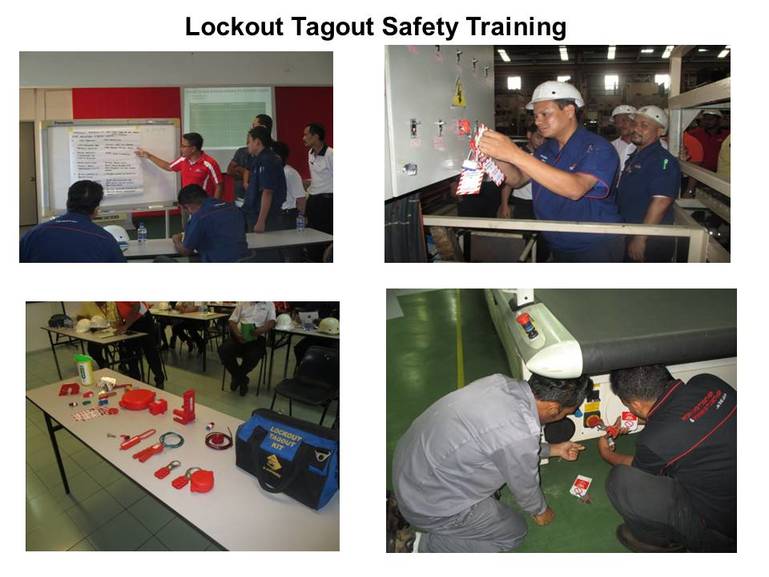
These tags must be standardized site-wide and resistant to environmental conditions (e.g., moisture, heat).
6. Verification This is the most overlooked step. Before work begins, the authorized employee must verify zero energy state using test instruments or physical checks.
Real-world test: Attempt to start the machine (via normal controls) to confirm it won’t operate. Re-energize only after ensuring all tools are removed and personnel are clear.
Common LOTO Failures and How to Fix Them
Even experienced teams make mistakes. These recurring LOTO failures expose workers to preventable risks.
Skipping Verification Many workers assume that because a lock is in place, the machine is safe. But what if the wrong circuit was locked? Or a bypass was installed? Verification is not optional—it’s the final checkpoint.
Solution: Treat verification like a ritual. Document it. Use checklists.
Group Lockout Confusion In team maintenance, multiple workers may service one machine. Without a group lockout box, it’s easy to lose track of who’s still working.
Solution: Use a lockout hasp with multiple padlocks, each applied by an individual worker. The machine doesn’t restart until every lock is removed.
Temporary Re-energization Sometimes, testing requires brief reactivation. This is high-risk and must follow a strict sub-procedure: - Remove all tools and personnel - Notify all affected workers - Unlock only after full consensus - Reapply LOTO immediately after testing
Tip: Document every temporary release—this creates accountability.
Inadequate Training OSHA requires retraining every three years or after procedural changes. Yet many companies train once and assume competence lasts forever.
Fix: Conduct annual drills. Simulate emergency scenarios. Use video demonstrations of correct vs. incorrect procedures.
Equipment That Supports Effective LOTO Implementation
While LOTO is primarily procedural, the right tools increase compliance and reduce human error.
| Tool | Purpose | Best Use Case |
|---|---|---|
| Lockout Hasps | Allow multiple locks on one isolation point | Group maintenance |
| Circuit Breaker Lockouts | Prevent resetting of breakers | Electrical panels |
| Valve Lockout Devices | Secure open or closed positions | Pneumatic/hydraulic systems |
| Padlock Stations | Centralized lock/tag storage | High-traffic maintenance zones |
| LOTO Kits (Mobile) | Portable kits with locks, tags, hasps | Field service teams |
Investing in standardized kits reduces confusion. A technician shouldn’t have to improvise with zip ties or paper tags—those are not compliant.
Industry-Specific LOTO Challenges LOTO isn’t one-size-fits-all. Different environments present unique risks.
Manufacturing High-mix production lines mean frequent changeovers. Workers may rush LOTO to meet output targets.
Strategy: Integrate LOTO time into production schedules. Reward compliance, not speed.
Construction Mobile equipment and shared tools complicate ownership. A single generator might power multiple machines.
Strategy: Assign lockout responsibility by task, not role. Use durable, weather-resistant tags.
Healthcare Medical devices like MRI machines have cryogenic and electrical hazards. Maintenance often occurs during operational hours.
Strategy: Designate "safe service windows" and use dual-lock systems requiring both clinical and technical approval.
Utilities High-voltage systems and remote locations increase risk. Communication delays can lead to premature re-energization.
Strategy: Use electronic LOTO systems with GPS verification and digital logs.
Training and Compliance: Beyond the Checklist

A LOTO program isn’t compliant just because it exists. OSHA distinguishes between "authorized" and "affected" employees: - Authorized employees perform LOTO and service equipment. - Affected employees operate or use the equipment but don’t service it.
Both need training, but at different levels. Affected employees must understand why they shouldn’t bypass locks. Authorized personnel need hands-on practice.
Best-in-class programs include: - Quarterly refresher drills - Shadow audits (unannounced observations) - Visual management (posters, floor markings near lock points) - Digital LOTO logs with timestamped entries
Some companies now use QR-code tags that link to equipment-specific LOTO procedures. Scanning the tag pulls up video instructions, lock locations, and energy diagrams—reducing reliance on memory.
The Human Factor: Why Culture Beats Compliance
Procedures fail when people feel they’re slowing down progress. In high-pressure environments, LOTO becomes a "necessary evil" rather than a safety standard.
Changing this requires leadership involvement. Supervisors must never ask, “Why is the line down?” without first asking, “Is LOTO in place?”
Build a culture where: - Taking time for safety is praised - Bypassing locks is treated like a near-miss incident - Workers feel empowered to stop work if LOTO is incomplete
One plant reduced LOTO violations by 78% simply by having managers participate in monthly safety drills. When leadership locks out a machine alongside technicians, it sends a powerful message.
Closing: Make LOTO Non-Negotiable
Lockout tagout safety isn’t about avoiding fines. It’s about ensuring every worker goes home unharmed. The procedures are straightforward, but consistency is everything.
Start by auditing your current LOTO program: - Are lockout points clearly labeled? - Do employees verify zero energy? - Are locks personal and non-transferable?
Then, reinforce through training, leadership, and accountability. The cost of a single incident—financial, emotional, operational—far outweighs the investment in a solid LOTO system.
Implement it right, enforce it daily, and make it part of your operational DNA. Safety isn’t a pause. It’s the foundation.
Frequently Asked Questions
What is the difference between lockout and tagout? Lockout uses a physical lock to prevent machine startup, while tagout uses a warning tag. OSHA requires lockout when possible; tagout alone is only allowed if it provides equivalent protection.
Who is responsible for applying lockout devices? Only authorized employees—those trained and designated—can apply and remove lockout devices. Each worker must use their own lock.
Can multiple people work on the same machine under LOTO? Yes, using a group lockout procedure. Each worker applies their own lock to a hasp or lockbox. The machine stays locked until every individual removes their lock.
What happens if a worker forgets to remove their lock? Locks should be tagged with contact info. Supervisors can remove a lock only after verifying the worker is safe and the equipment is clear, following a documented removal procedure.
Are there exceptions to LOTO? Minor tool changes or routine tasks may be exempt if they fall under the "minor servicing" exception. But this applies only during normal production and requires safeguarding.
How often should LOTO procedures be reviewed? Annual inspections are required by OSHA. Additionally, review procedures whenever equipment changes, incidents occur, or new hazards are identified.
Can LOTO be digital? Emerging electronic LOTO systems use smart locks, mobile apps, and cloud logs. While promising, they must still meet OSHA’s core requirements for physical isolation and individual control.
FAQ
What should you look for in Lockout Tagout Safety: Protecting Workers from Unexpected Startup? Focus on relevance, practical value, and how well the solution matches real user intent.
Is Lockout Tagout Safety: Protecting Workers from Unexpected Startup suitable for beginners? That depends on the workflow, but a clear step-by-step approach usually makes it easier to start.
How do you compare options around Lockout Tagout Safety: Protecting Workers from Unexpected Startup? Compare features, trust signals, limitations, pricing, and ease of implementation.
What mistakes should you avoid? Avoid generic choices, weak validation, and decisions based only on marketing claims.
What is the next best step? Shortlist the most relevant options, validate them quickly, and refine from real-world results.