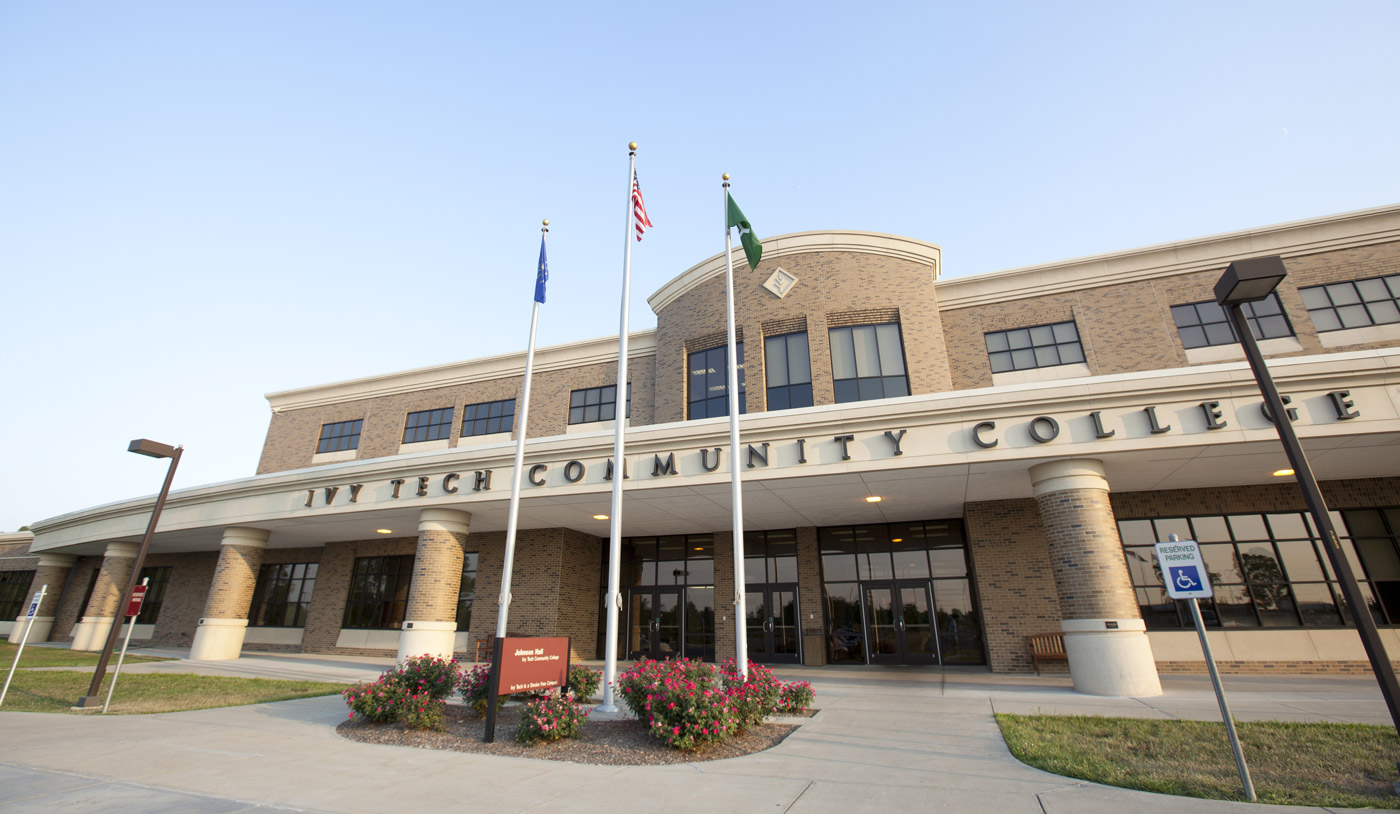
For students in east central Indiana, higher education shouldn’t mean relocating, taking on massive debt, or waiting years to enter the workforce. Ivy Tech Community College in Richmond offers a direct line to both academic advancement and job-ready skills—without the four-year price tag. With strong ties to local industry and a focus on accessibility, this campus serves as a critical education pipeline for Wayne County and beyond.
But understanding what sets the Richmond location apart from other community college options—or even other Ivy Tech campuses—requires more than a quick website scan. From targeted workforce programs to seamless transfer pathways, the value lies in specifics: which programs thrive here, how support systems operate, and where graduates actually end up.
This guide cuts through the noise, delivering a grounded look at Ivy Tech Richmond’s structure, advantages, and real-world impact.
Why Choose Ivy Tech Richmond?
Ivy Tech Community College is Indiana’s largest public community college, with more than 40 campuses statewide. The Richmond location stands out not for size—its footprint is modest—but for integration with regional economic needs. Situated near the Ohio border, the campus responds directly to workforce gaps in manufacturing, healthcare, and skilled trades in Wayne and Union counties.
Unlike flagship universities that prioritize research, Ivy Tech Richmond focuses on completion, affordability, and placement. Tuition runs significantly below state and national averages for two-year institutions, and over 90% of courses are taught by instructors with field experience—nurses, IT specialists, welders—not just academics.
The campus also operates as a hybrid hub. While in-person labs and classes anchor technical training (like welding or nursing), general education courses can be taken online or in person, allowing flexibility for working adults, parents, or high school dual-enrollment students.
"I started at Ivy Tech Richmond after high school with no clear direction. The advisors helped me stack certifications in IT while working toward my associate degree. Within 18 months, I had a full-time job with health benefits." — Marcus T., Richmond graduate, now network technician at a regional hospital
Academic Programs with Local Demand
Ivy Tech Richmond doesn’t offer every program under the sun—and that’s by design. Curriculum development is guided by input from regional employers. If a program isn’t filling jobs locally or feeding into transfer pathways, it likely won’t survive long.
Here are the core program areas with proven outcomes:
Health Sciences This is one of the strongest verticals at the Richmond campus. The Practical Nursing (PN) program consistently graduates students who pass the NCLEX-PN on their first attempt at or above state average. Clinical rotations take place at Reid Health, the dominant hospital in the area, giving students direct access to hiring managers.
The campus also offers foundational coursework for students aiming for an Associate Degree in Nursing (ADN), though the full ADN program is completed at larger Ivy Tech locations like Indianapolis. Still, starting in Richmond reduces costs and commute time during early semesters.
Other health offerings include: - Medical Coding and Billing - Pharmacy Technician - Medical Assisting
All include externships, many paid, at local clinics and pharmacies.

Advanced Manufacturing & Skilled Trades
With Subaru, Hayes Lemmerz, and several Tier 2 suppliers nearby, demand for precision welders, CNC operators, and maintenance techs remains steady. Ivy Tech Richmond’s lab spaces are equipped with industry-standard machinery, and instructors often come from plant floors, not classrooms.
The Welding Technology program, for example, includes: - SMAW (stick), GMAW (MIG), and GTAW (TIG) training - Blueprint reading - OSHA safety certification - AWS D1.1 structural welding prep
Graduates frequently enter apprenticeships or full-time roles at firms like Richmond Metal Stamping or HHP Fabricators.
Information Technology While not as hands-on as trades,
IT programs at Ivy Tech Richmond prepare students for CompTIA A+, Network+, and Security+ certifications—credentials that open doors to help desk, network support, and cybersecurity roles.
Courses are delivered through Ivy Tech’s statewide virtual platform, but students can access on-campus tutoring, lab time, and career coaching. Many IT students work remotely during internships with Indiana-based MSPs (managed service providers).
General Studies & Transfer Pathways For students aiming to transfer to a four-year university, the Associate of Science (AS) and Associate of Arts (AA) degrees at Ivy Tech Richmond are designed to align with Indiana’s Core Transfer Library. Credits transfer seamlessly to schools like Ball State, Indiana University, or Purdue University Global—assuming students follow advised course sequences.
A common mistake? Enrolling in elective courses that don’t align with the intended major at the target university. For example, taking sociology when the transfer program expects calculus. Academic advisors at the Richmond campus now use a digital transfer planner to prevent these missteps.
Support Services That Actually Work
Many community colleges advertise tutoring, counseling, and career help—but availability and quality vary. At Ivy Tech Richmond, support services are tightly integrated into the academic journey.
Early Start Program New students aren’t thrown into college-level math or English. Instead, most take a “First Year Experience” course that covers: - Time management for working adults - Navigating the MyIvy student portal - Financial literacy and aid renewal - Resume building (yes, in the first semester)
This isn’t fluff. Data from 2023 shows students who completed Early Start were 34% more likely to persist into their second semester.
TRiO Student Support Services Federally funded and highly selective, TRiO serves first-generation, low-income, or disabled students. At Ivy Tech Richmond, the program offers: - One-on-one tutoring - Book and transportation stipends - Graduate school application coaching - Emergency grant assistance
Participants must apply, but acceptance comes with dedicated advising and priority registration.
Career Services with Employer Ties The Richmond campus hosts biannual job fairs attended by regional employers—Reid Health, Ivy Tech’s own HR department, local school districts, and manufacturing firms. But more impactful are the “hiring days,” smaller events where companies conduct on-the-spot interviews.
Career coaches also review resumes with an employer lens. One common feedback point: students list duties instead of achievements. Instead of “worked at a warehouse,” coaches push for “increased packing accuracy by 18% using barcode scanning.” This shift matters in applicant tracking systems.
Campus Facilities and Resources

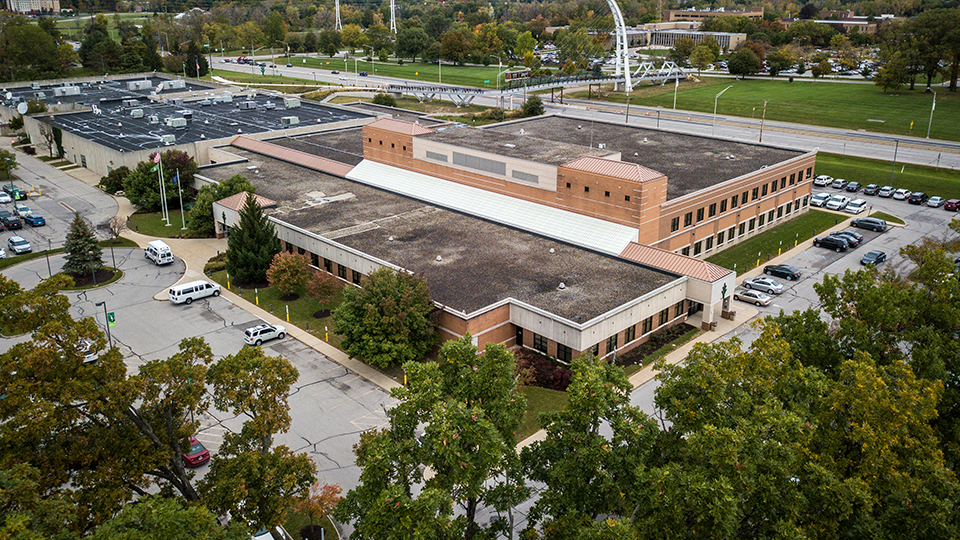
The Richmond campus occupies a modern, single-story building near the intersection of Eastgate Boulevard and National Road. It’s not flashy, but it’s functional.
Key features: - Learning Resource Center with quiet study zones and group pods - Science and nursing labs with simulation mannequins - Welding and machining labs with ventilation and safety systems - Student lounge with vending, Wi-Fi, and charging stations - Free on-site parking
There’s no dormitory—students commute—but the campus partners with local housing agencies for out-of-town learners needing short-term stays.
Technology access is robust. Students receive free Microsoft Office, discounted Adobe Creative Cloud, and loaner Chromebooks if needed. The campus also participates in the Wi-Fi hotspot lending program for those with unreliable home internet.
Admissions and Enrollment Process
Getting into Ivy Tech Richmond is intentionally low-barrier, but there are steps that can’t be skipped.
- Apply online via ivytech.edu (free application)
- Submit high school transcript or GED
- Take the Accuplacer placement test (waived for some dual-enrollment or recent high school grads)
- Meet with an academic advisor
- Register for classes
- Apply for financial aid (FAFSA)
Timeline: Students can complete this in under two weeks if documents are ready. The campus offers “Enrollment Express” days—walk-in events where staff help applicants finish all steps in one visit.
Financial aid covers most tuition for eligible students. Indiana residents earning under $65,000 may qualify for the Frank O’Bannon Grant, which covers up to $3,070 per year. Combined with Pell Grants and work-study, many students pay nothing out of pocket.
Realistic Outcomes and Limitations
Ivy Tech Richmond delivers strong ROI for motivated students—but it’s not a magic bullet.
Pros: - Low tuition ($103.78/credit hour for in-state students) - Industry-aligned programs with local hiring pipelines - Flexible scheduling (day, evening, hybrid, online) - Small class sizes (avg. 18:1 student-faculty ratio) - Strong support for adult learners
Cons: - Limited program selection compared to larger campuses - No on-campus housing - Few extracurriculars (no sports teams, limited clubs) - Transfer advising requires proactive follow-up - Some labs have waitlists (e.g., nursing simulation)
Graduation rates hover around 26% for full-time students over three years—typical for open-access community colleges. But completion isn’t the only metric. Over 60% of students either graduate, transfer, or gain full-time employment within two years of starting.
One limitation: students aiming for highly specialized fields (like aviation or veterinary tech) must travel to other Ivy Tech locations. Richmond doesn’t offer those programs.
How to Get Started Today
If you’re in eastern Indiana and want to advance your career without relocating or going deep into debt, Ivy Tech Richmond deserves serious consideration.
- Action steps:
- Visit ivytech.edu/richmond and schedule a campus tour
- Attend a virtual info session (held weekly)
- Bring your transcript and ID to an Enrollment Express event
- Meet with an advisor to map out a 12- or 24-month plan
- Apply for financial aid—even if you think you won’t qualify
The most successful students don’t just enroll—they engage early. They ask about internships before midterms. They visit the career center before graduation. They treat community college like a job pipeline, not just a stepping stone.
At Ivy Tech Richmond, that pipeline is real. It’s local. And for many, it’s life-changing.
Frequently Asked Questions
What programs are offered at Ivy Tech Richmond? Key programs include Practical Nursing, Welding Technology, IT certifications, Medical Assisting, and Associate of Arts/Science degrees for transfer.
Can I transfer from Ivy Tech Richmond to a four-year university? Yes. Credits from AA and AS degrees transfer seamlessly to Indiana public universities through the statewide articulation agreements.
Is there financial aid available? Yes. Most students qualify for Pell Grants, Frank O’Bannon Grants, and federal work-study. The FAFSA is required.
Are classes online or in person? Both. General education courses are often online; technical programs (like nursing or welding) require in-person labs.
How much does tuition cost? In-state tuition is $103.78 per credit hour. Most full-time students pay nothing out of pocket after financial aid.
Do I need to take a placement test? Most students take Accuplacer, but recent high school graduates with a 2.8 GPA or higher may be exempt.
Are there student support services? Yes. Tutoring, academic advising, career coaching, TRiO support, and emergency aid are available at no extra cost.
FAQ
What should you look for in Ivy Tech Community College Richmond Indiana Guide? Focus on relevance, practical value, and how well the solution matches real user intent.
Is Ivy Tech Community College Richmond Indiana Guide suitable for beginners? That depends on the workflow, but a clear step-by-step approach usually makes it easier to start.
How do you compare options around Ivy Tech Community College Richmond Indiana Guide? Compare features, trust signals, limitations, pricing, and ease of implementation.
What mistakes should you avoid? Avoid generic choices, weak validation, and decisions based only on marketing claims.
What is the next best step? Shortlist the most relevant options, validate them quickly, and refine from real-world results.