In 1996, Star Trek: First Contact introduced a new era of optimism in space exploration, centered on humanity's first meeting with an alien species. But behind the scenes, one casting decision stood out—not for fame or acting pedigree, but for a startling real-world connection to the very subject the film dramatized. An actor with documented involvement in extraterrestrial research joined the production, lending an eerie authenticity to the film’s central theme.
That actor was James Cromwell. While best known for his Academy Award-nominated performance in Babe, Cromwell’s life off-screen reveals a deep, sustained engagement with issues of consciousness, space, and the existence of intelligent life beyond Earth. His casting wasn’t just a career move—it was a convergence of art, belief, and scientific curiosity.
Why an Actor With UFO Ties Was Cast in a First Contact Story
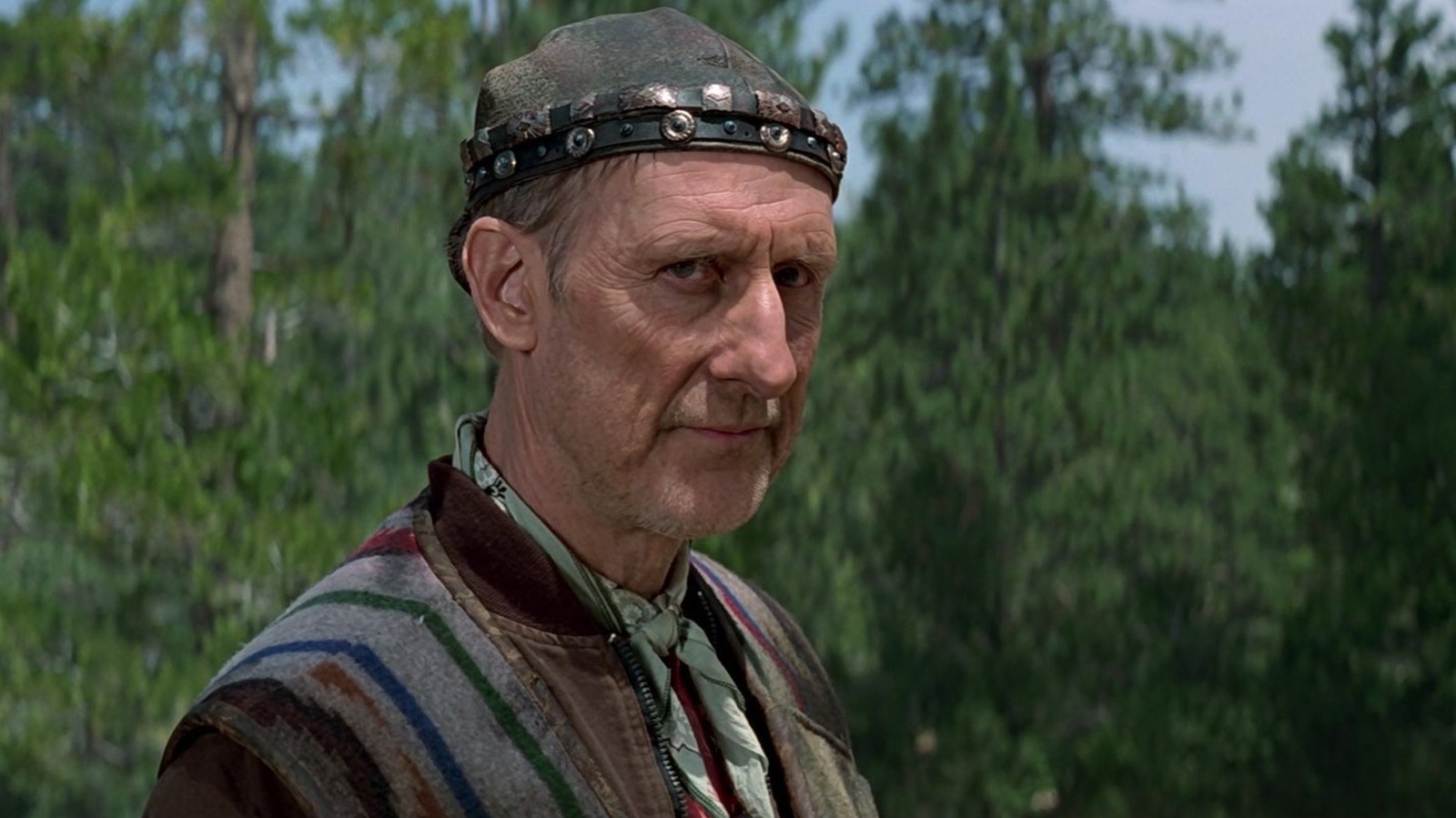
James Cromwell played Zefram Cochrane, the brilliant yet reluctant engineer who invents warp drive and inadvertently triggers humanity’s first contact with the Vulcans. The character is a recluse, a man out of time—haunted by war, disillusioned with society, yet pivotal to Earth’s future.
Casting directors didn’t seek a UFO researcher. But Cromwell’s personal views on extraterrestrial life and government secrecy resonated with the film’s underlying message: that humanity must evolve not just technologically, but ethically, to be ready for contact.
His real-life beliefs didn't remain private. Cromwell has spoken openly about UFO phenomena, the U.S. government’s lack of transparency, and the potential for non-human intelligence to already be interacting with Earth. In interviews post-First Contact, he stated: > “We are not alone. The evidence is overwhelming. And the cover-up has been one of the most significant obstructions to human progress.”
This wasn’t fringe speculation delivered casually. Cromwell has participated in forums with former military officials, aerospace engineers, and whistleblowers discussing recovered non-human craft and intercepted signals. His advocacy goes beyond entertainment; it’s rooted in a conviction that disclosure is not just possible—but overdue.
The Role of Belief in Casting Decisions
Hollywood often draws from reality when shaping science fiction. But First Contact stands apart because the actor embodying humanity’s leap into interstellar diplomacy genuinely believes that leap has already occurred—just not in public view.
Cromwell’s casting wasn’t accidental. Director Jonathan Frakes, a former Starfleet commander himself in The Next Generation, valued authenticity in tone and delivery. Cochrane isn’t a heroic genius; he’s flawed, cynical, and human. Cromwell’s off-screen depth informed the performance—his pauses, skepticism, and eventual awakening to responsibility all felt earned.

Consider the scene where Cochrane, drinking moonshine on a Montana desert night, sees the Vulcan ship descend. His reaction isn’t awe—it’s disbelief, fear, then reluctant acceptance. That moment mirrors how many real researchers believe first contact will unfold: not with fanfare, but confusion, denial, and eventual reckoning.
Cromwell’s personal alignment with that emotional arc gave the scene weight. He wasn’t acting out a sci-fi trope—he was channeling a worldview he’s spent years defending.
Bridging Science and Speculation: Cromwell’s Advocacy Work
Beyond acting, Cromwell has been active in organizations promoting UFO disclosure. He’s spoken at conferences hosted by To the Stars Academy (TTSA), co-founded by former Blink-182 singer Tom DeLonge and involving former Pentagon officials like Luis Elizondo.
TTSA focuses on: - Analyzing declassified UAP (Unidentified Aerial Phenomena) footage - Advocating for government transparency - Funding scientific inquiry into anomalous aerospace threats
Cromwell hasn’t just shown up for photo ops. He’s used his platform to push for congressional hearings, challenge mainstream media skepticism, and support veterans who claim to have encountered non-human intelligences during service.
In 2017, when the New York Times broke the story of the Pentagon’s Advanced Aerospace Threat Identification Program (AATIP), Cromwell was quick to comment: > “This isn’t about little green men. It’s about acknowledging that we are part of a much larger cosmos—and that our governments have been lying to us for decades.”
His activism isn’t performative. It’s consistent with the ethics Cochrane eventually embraces: accountability, courage, and the duty to face truth, however unsettling.
When Fiction Mirrors Real Scientific Debate
First Contact portrays first contact as a positive turning point—a day when humanity stops warring and starts reaching outward. But in real scientific circles, the question isn’t if contact will happen, but how we’ll respond.
Cromwell’s involvement highlights a quiet but growing trend: entertainers with serious ties to extraterrestrial research shaping cultural narratives. They aren’t writing conspiracy theories—they’re pushing for legitimate inquiry.
Consider the parallels: - The Vulcans in First Contact arrive after detecting Earth’s warp signature—a technological threshold. - In reality, SETI (Search for Extraterrestrial Intelligence) operates on a similar principle: advanced civilizations may detect us via electromagnetic leakage or atmospheric changes.
Cromwell has supported efforts to expand SETI’s funding and has criticized the stigma that prevents mainstream scientists from engaging with UAP research. He argues that separating “science” from “fringe” often suppresses legitimate inquiry.
This duality—actor and advocate—makes his role in First Contact profoundly meta. He played the man who changed human history by making first contact, while off-screen, he’s spent decades urging the world to accept that such contact may already be underway.
The Irony of Playing Cochrane
While Fighting for Disclosure

Zefram Cochrane, in the Star Trek canon, is later mythologized—his flaws erased, his legacy polished into legend. But in First Contact, we see the truth: he was scared, unprepared, and only acted because he had no choice.
Cromwell sees a similar distortion in how society treats whistleblowers and scientists who report anomalous encounters. “They’re dismissed as crackpots,” he said in a 2020 panel, “until the evidence becomes undeniable. By then, it’s too late to prepare.”
His performance captures that tension—the moment between discovery and acceptance. When Cochrane finally shakes the Vulcan’s hand, it’s not triumph—it’s surrender to a new reality.
And in that moment, Cromwell isn’t just acting. He’s bearing witness to a future he believes is already unfolding.
Why This Casting Still Matters
More than two decades after its release, First Contact remains one of the most thematically coherent entries in the Star Trek franchise. Its success lies not in spectacle, but in emotional truth.
Cromwell’s real-life beliefs didn’t distract from his role—they deepened it. They allowed him to portray Cochrane not as a symbol, but as a man on the edge of a paradigm shift.
Today, as NASA begins formal UAP studies and the Pentagon releases more footage, the line between Star Trek fiction and real-world investigation continues to blur. Cromwell’s casting was ahead of its time—not because he predicted contact, but because he understood its human cost.
Other actors have played scientists, visionaries, and pioneers. But few have lived the philosophy they portrayed. Cromwell didn’t just play a man who changed history—he’s spent his life trying to accelerate that change in reality.
A Legacy Beyond the Screen
James Cromwell’s performance in Star Trek: First Contact endures because it feels inevitable. Not just because of his talent, but because his off-screen convictions mirror the film’s core question: Are we ready to meet another intelligence?
His answer—both in interviews and in quiet advocacy—is that we already have been. We’re just refusing to admit it.
While most remember the film for the Borg Queen or Picard’s vendetta, the true heartbeat of First Contact lies in Cochrane’s transformation—from isolation to connection, from denial to responsibility.
And the fact that the man playing him has spent years pushing for real-world disclosure adds a layer of resonance no script could manufacture.
In a franchise built on hope, Cromwell brings something rarer: conviction.
Actionable Insight: If you're exploring the intersection of entertainment and real extraterrestrial research, study figures like James Cromwell not just as actors, but as cultural catalysts. Their influence extends beyond film—they shape public perception during a critical shift in how we view life beyond Earth.
Frequently Asked Questions
Did James Cromwell really believe in UFOs while filming First Contact? Yes. Cromwell had long-held beliefs in extraterrestrial life and government cover-ups, which he’s discussed in interviews dating back to the 1990s.
Was his role in the movie influenced by his views? Indirectly. The script didn’t change, but his interpretation of Cochrane—cynical, reluctant, burdened—reflected his skepticism about how institutions handle paradigm-shifting truths.
Has Cromwell worked with any official UFO research groups? He has collaborated with To the Stars Academy and spoken at events involving former Pentagon officials and scientists researching UAPs.
Is there any evidence that Star Trek producers knew about his beliefs? There’s no public confirmation, but director Jonathan Frakes has praised Cromwell’s “depth” and “integrity,” suggesting awareness of his off-screen persona.
How does Cromwell reconcile acting in sci-fi with advocating for real UFO disclosure? He sees both as forms of storytelling that challenge public perception. Sci-fi imagines possible futures; disclosure, he argues, reveals suppressed realities.
Has he made other films about extraterrestrial life? While not central themes, Cromwell has appeared in sci-fi projects like The Maury Povich Show (satirical alien episode) and Men in Black, often playing authority figures confronting the unknown.
Does he think First Contact accurately portrays how first contact would happen? He’s said it’s optimistic but necessary—depicting contact as peaceful encourages humanity to strive for the maturity required to handle it.
FAQ
What should you look for in How a Real-Life Alien Researcher Joined Star Trek First Contact? Focus on relevance, practical value, and how well the solution matches real user intent.
Is How a Real-Life Alien Researcher Joined Star Trek First Contact suitable for beginners? That depends on the workflow, but a clear step-by-step approach usually makes it easier to start.
How do you compare options around How a Real-Life Alien Researcher Joined Star Trek First Contact? Compare features, trust signals, limitations, pricing, and ease of implementation.
What mistakes should you avoid? Avoid generic choices, weak validation, and decisions based only on marketing claims.
What is the next best step? Shortlist the most relevant options, validate them quickly, and refine from real-world results.